Little Bee: A Whimsical Color Font for Playful Designs
When you're searching for that perfect typeface to inject a dose of charm into your work, you often find yourself scrolling past hundreds of options. Some are too serious, others too chaotic. Then, occasionally, you stumble upon something that just feels right. Little Bee is exactly that kind of find. It isn't just a set of letters; it is a creative font designed to bring a smile to anyone who sees it. As a premium font, it moves beyond standard monochromatic text, offering a visual experience that stands out in a crowded digital landscape.
Visual Personality and Aesthetic Appeal
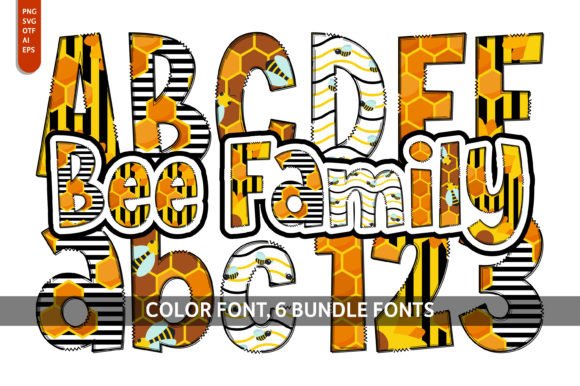
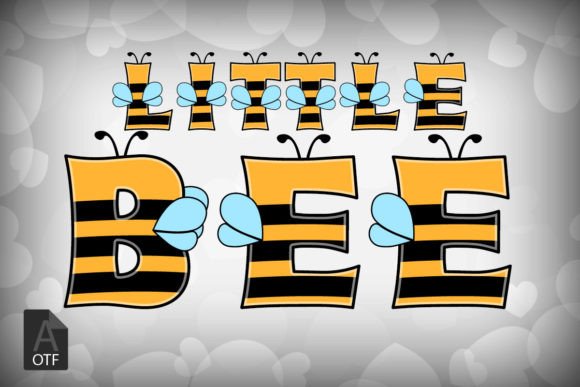
What makes Little Bee unique is its nature as a color font. Unlike a standard serif font or sans serif font, this typeface utilizes the OpenType-SVG format to render multi-colored glyphs directly within your design software. Each character is crafted with delicate, illustrative detail. The defining feature is the inclusion of soft, pastel-hued bee wings that adorn the letters. This gives the text a three-dimensional, almost magical quality that flat typography simply cannot achieve.
The style of Little Bee sits comfortably between a handwritten font and a structured display letterform. It avoids the illegibility often associated with overly swirly script fonts, maintaining a clear baseline while still feeling organic and hand-drawn. The "ink" is often a rich yellow or black, mimicking the actual insect, but the wings provide the pop of color—think soft pinks, blues, and lavenders. This combination makes it an excellent choice for modern typography applications where personality is paramount. It captures the essence of a sunny afternoon in a garden, making it a whimsical addition to any designer's toolkit.
Strategic Applications for Brands and Creators
Understanding where to deploy a display font like Little Bee is crucial for maintaining professionalism while embracing creativity. This font is not designed for body copy in a legal contract, but it shines in specific, high-impact areas.
Publishing and Editorial Design
For authors and publishers, Little Bee is a natural fit for children’s literature. It captures the imagination instantly, making it ideal for book covers and chapter headings. However, its utility extends to editorial design for lifestyle magazines. Imagine a spring-themed issue header or a feature article on sustainable gardening; this font sets the tone immediately without a single word of body text being read.
Branding and Packaging
If you are a small business owner or entrepreneur in the food, beauty, or lifestyle sector, Little Bee can be a cornerstone of your brand identity. It works exceptionally well for honey brands, organic skincare lines, or boutique bakeries. In packaging design, where shelf appeal is everything, this font grabs attention. It suggests that your product is handmade, thoughtful, and high-quality. Using it on a label can communicate "sweetness" and "natural" faster than a paragraph of marketing copy.
Digital Marketing and Web Design
In the realm of web design and social media graphics, stopping the scroll is the primary goal. Little Bee is perfect for Instagram stories, Pinterest pins, and YouTube thumbnails. Its colorful nature pops against both light and dark backgrounds. For e-commerce sites, consider using it for "Sale" banners or seasonal promotions like "Spring Collection." It adds a layer of whimsy that encourages engagement, making your marketing feel less like an interruption and more like a treat.
Technical Considerations and Best Practices
Adopting a color font requires a slightly different approach than working with standard design assets. Here is how to integrate Little Bee effectively into your workflow.
Compatibility and Software
Because Little Bee is an advanced OpenType-SVG font, you need to ensure your software supports it. It works beautifully in recent versions of Adobe Photoshop, Illustrator, and InDesign. It is also compatible with many modern web browsers and design platforms like Canva and Figma, though you should always test rendering in your specific environment.
Font Pairing Strategies
A display font with this much character needs a grounding partner. When engaging in font pairing, balance is key. Avoid pairing Little Bee with another script font or a highly decorative typeface, as this will create visual chaos.
- With Sans Serifs: Pairing it with a clean, geometric sans serif font (like Montserrat or Poppins) creates a modern, friendly contrast. The clean lines of the sans serif allow the details of Little Bee to take center stage.
- With Serifs: For a more romantic or vintage aesthetic, try pairing it with a transitional serif font. This works well for wedding invitations or boutique branding, adding a touch of elegance to the playfulness.
Readability and Hierarchy
As with any handwritten font or illustrative typeface, readability drops significantly when the text size is too small. Little Bee is best used for large headings, subheadings, or short phrases. Use it to establish the visual hierarchy—draw the eye in with the Little Bee headline, then deliver the information in a legible body font. Never use it for long paragraphs; the intricate details of the bee wings can become visually noisy at small sizes, hindering reading speed.
Commercial Use and Licensing
When selecting a premium font for professional work, licensing is a non-negotiable step. Little Bee is a commercial font, meaning it requires a license for use in business projects.
Before purchasing, review the specific license terms regarding:
- Project Scope: Does the license cover logo design? Some licenses require an extended license for logos because the font becomes part of the trademark.
- Digital vs. Print: Ensure the license covers both digital products (like e-books or online courses) and physical goods (like t-shirts or mugs) if you plan to use it across both mediums.
- Server Licenses: If you intend to use Little Bee on a website where the font is rendered server-side, verify that web-font licensing is included.
Investing in the correct license protects your business and supports the type designers who create these intricate design assets.
Final Thoughts on Implementation
Little Bee is more than just a novelty; it is a versatile tool for adding emotional resonance to your designs. Whether you are a crafter making greeting cards, a marketer designing a campaign for a family-friendly brand, or a publisher looking for the next great book cover, this font offers a distinct voice. It blends the technical precision of modern typography with the charm of illustration. By using it strategically—focusing on headers, branding moments, and visual focal points—you can harness its power to create designs that are not only beautiful but also effective in connecting with your audience.