Happy Leopard: A Festive Display Font for Creative Projects
Understanding the Playful Spirit of Happy Leopard
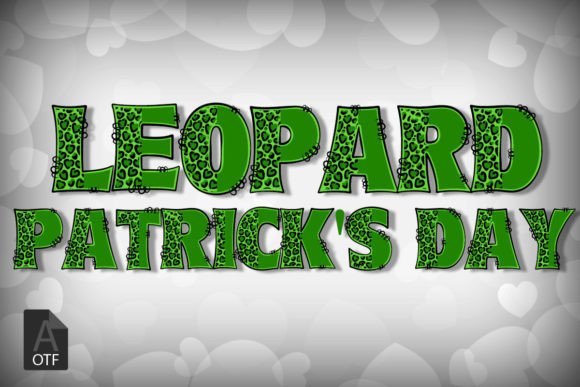
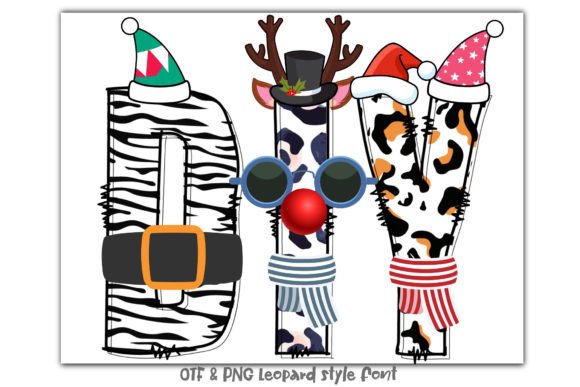
When a project calls for a burst of personality, especially during the holiday season, the choice of typeface becomes a critical decision. Happy Leopard is not just another typeface; it is a distinct creative asset that bridges the gap between wild, organic patterns and structured typography. As a premium font designed specifically for display purposes, it features a unique leopard spot pattern integrated with charming Christmas elements. This combination results in a visual style that is simultaneously playful, authentic, and festive.
Unlike traditional serif font or sans serif font options used for body text, Happy Leopard is a creative font meant to catch the eye. Its visual characteristics rely on texture and pattern rather than simple strokes. The spots create a dynamic rhythm that draws attention, while the embedded holiday motifs—such as subtle ornaments or seasonal flair—add a layer of warmth. For designers and brand strategists, this typeface offers a way to inject "voice" into a layout without relying solely on illustration. It embodies a modern typography approach where the letterforms themselves carry the decorative weight, making it an excellent choice for projects that require a distinct and memorable brand identity.
Real-World Applications: From School Projects to Commercial Branding
The versatility of a display font like Happy Leopard lies in its ability to adapt to various creative contexts, though it requires careful application to maintain professionalism. It is particularly effective in environments where engagement is the primary goal. For instance, in the realm of children’s activities and educational materials, this font shines brightly. School projects, classroom signage, and activity sheets benefit from its friendly and approachable aesthetic. It transforms standard educational content into something exciting and visually stimulating for young learners.
Beyond the classroom, this typeface is a powerful tool for entrepreneurs and small business owners looking to capitalize on seasonal marketing. Consider the following applications where Happy Leopard excels:
- Packaging Design: For small-batch holiday goods, cosmetics, or children’s toys, the leopard print texture adds a tactile, high-quality feel to the label. It suggests a product that is fun and stylish.
- Social Media Graphics: In the fast-scrolling environment of Instagram or Pinterest, standard fonts often get overlooked. The unique pattern of Happy Leopard helps stop the scroll, making it ideal for holiday sale announcements, headers, and event invites.
- Editorial Design: Magazines and blogs covering lifestyle, fashion, or holiday crafts can use this font for pull quotes or section headers. It breaks the monotony of standard body text and adds a festive punch to the layout.
- Logo Design: While not suitable for corporate banking, it is perfect for boutique brands, party planners, or bakeries that want to project a fun, festive vibe during the Christmas season.
Strategic Typography: Influence on Brand Perception and Hierarchy
Choosing a font is a strategic decision that influences how an audience perceives a brand. Using Happy Leopard signals that a brand is approachable, creative, and perhaps a bit adventurous. In visual hierarchy, a display font acts as the anchor for the headline. Because Happy Leopard is a creative font with high visual texture, it naturally draws the reader's eye first. This allows designers to pair it with a cleaner sans serif font or a simple script font for body copy, creating a clear distinction between the "shout" and the "whisper" of the design.
However, readability remains a paramount concern. As a patterned display font, Happy Leopard is best used at larger sizes. When used in web design or print, ensure that the background provides enough contrast so the intricate leopard spots do not blur or vibrate visually. For example, placing this font over a busy photo might reduce its legibility; a solid color block or a subtle gradient works much better to let the typography stand out. This attention to detail ensures that the font enhances, rather than hinders, the user experience.
Technical Compatibility and Design Asset Integration
From a practical standpoint, integrating Happy Leopard into your workflow requires an understanding of its file format. This is a color font, specifically utilizing the Opentype-SVG technology. This format allows the font to contain the full leopard print color data and texture directly within the glyph, rather than requiring the designer to manually apply textures in post-production.
It is important to note the specific software compatibility for this design asset. Happy Leopard works seamlessly with professional design software such as Adobe Photoshop, Adobe Illustrator, Silhouette, and Inkscape. These applications support the rendering of color fonts, allowing you to see the full pattern and color immediately upon typing.
However, users should be aware of specific limitations regarding cutting machines. The OTF and TTF files included with this product are not compatible with Cricut. This is a technical limitation of the Cricut Design Space software, which does not currently support the complexity of color fonts or certain SVG data embedded within typefaces. For Silhouette users, compatibility is generally better, but checking the software version is always recommended. If you are new to working with this type of modern typography, consulting a guide on color fonts can be incredibly helpful. These guides explain how to manipulate the layers and colors if your software allows it, ensuring you get the most out of this premium font.
Best Practices for Font Pairing and Project Evaluation
To maximize the impact of Happy Leopard, consider the principle of contrast in your font pairing. Because the font is decorative, textured, and "loud," it pairs best with typefaces that are quiet and structural. A geometric sans serif font provides a clean, modern counterpoint to the organic spots of the leopard pattern. Conversely, a very simple, legible script font can add a touch of elegance without competing for attention.
When evaluating if this font fits your project, ask yourself a few key questions:
- Is the tone appropriate? This font is playful and festive. It is excellent for children's products, holiday marketing, and casual branding. It is likely not the right choice for legal documents, corporate reports, or high-end luxury branding that relies on minimalist restraint.
- Does the medium support it? Since it is an Opentype-SVG font, ensure your final output medium supports color fonts. While it works great in digital web design and high-res print, printing at very small sizes might cause the spots to merge.
- How does it handle spacing? Test the kerning and tracking. Display fonts often require manual adjustment to ensure letters flow smoothly, especially in logo design where every pixel counts.
Ultimately, Happy Leopard