Armor Font: A Modern Designer's Guide to This Creative Color Typeface
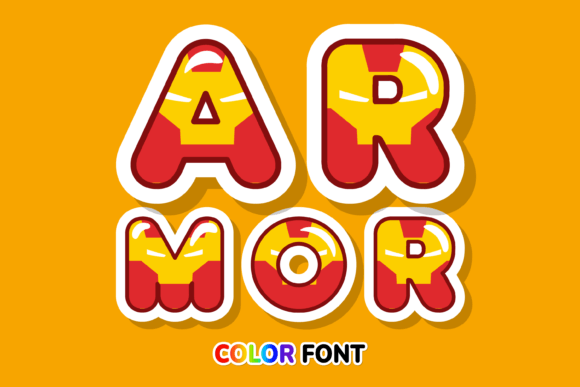
Armor is an incredibly cool color font. Whether you use it for custom designs, DIY crafts, or just any creation that requires a lovely touch, this font will be an amazing choice. It’s the kind of typeface that immediately grabs attention, not just for its style, but for its built-in vibrancy. As a creative professional, finding a font that offers both strong personality and ready-to-use color is a significant advantage. Armor delivers precisely that, blending a contemporary aesthetic with the visual depth of a color font, making it a standout asset in any designer's toolkit.
Understanding the Visual Personality of Armor
At its core, Armor is a premium font with a distinct character. It’s not a simple serif font or a standard sans serif font. Instead, it occupies a dynamic space, often leaning into a modern typography feel with clean lines and a confident structure. The "color" aspect means the letterforms are rendered with gradients, patterns, or multi-tonal fills directly within the font file itself. This transforms simple text into a graphic element. The personality of Armor is bold, contemporary, and engaging. It projects a sense of innovation and creativity, making it perfect for projects that need to feel fresh and forward-thinking. Its style avoids the rawness of a handwritten font or the formality of a classic script, instead offering a polished, digital-native appeal.
Where Armor Truly Shines: Practical Applications
Knowing where a font like Armor excels is key to using it effectively. Its visual weight and inherent style make it a natural fit for projects where impact is paramount. Consider using it for logo design to create a memorable brand mark that stands out in a crowded market. The color elements can be tailored to a brand's palette, creating a unique and cohesive brand identity from the very first glance. In packaging design, Armor can make product names pop on the shelf, communicating quality and modernity. For editorial design, such as magazine covers or feature headlines, it commands attention and sets a dynamic tone for the layout inside.
The digital realm is another natural habitat for Armor. It’s fantastic for social media graphics, creating scroll-stopping posts and stories. Think about using it for hero text on a website, event announcements, or promotional banners. Its compatibility with Adobe Photoshop and Illustrator makes it a seamless part of a professional workflow for creating web design assets and digital advertisements. For physical creations, its power is equally potent. It’s a superb choice for wedding invitations, greeting cards, posters, and any DIY crafts where a professional, custom look is desired. Entrepreneurs and small business owners can use it to develop cohesive marketing materials, from business cards to product labels, ensuring their brand feels consistent and polished across all touchpoints.
Making Armor Work for You: A Practical Guide
Choosing the right font is a strategic decision. Armor is a display font, meaning it’s designed for headlines and short bursts of text, not long paragraphs. Its primary role is to attract and engage. When evaluating if Armor is the right fit, start by considering your project’s tone. Is it meant to be innovative, luxurious, playful, or authoritative? Armor’s modern, clean aesthetic can adapt to several of these, but it’s crucial to test it within the context of your overall design. A key part of this process is font pairing. Because Armor is visually strong, it pairs best with simpler, more neutral typefaces. A clean sans serif font for body text often creates a perfect balance, allowing Armor to command the hierarchy without overwhelming the reader. Avoid pairing it with other highly decorative or script fonts, as this can create visual clutter and harm readability.
Before you commit, always test the font. Type out your specific headlines and check the visual hierarchy. Does the text guide the viewer’s eye as intended? Review the included styles and glyphs—many creative fonts like Armor include alternate characters or ligatures that can add a unique flair to your work. It’s also vital to understand the technical specifications. As noted, Armor is an Opentype-SVG color font. This means it is compatible with professional design software like PhotoShop, Illustrator, Silhouette, and Inkscape. However, the OTF and/or TTF files are not compatible with Cricut machines. This is a critical detail for crafters and hobbyists to note. For a deeper dive into working with color fonts, consulting resources like the Ultimate Font Guide can provide invaluable step-by-step instructions.
Finally, consider the licensing. For any commercial project—from client work to products you sell—ensuring you have the proper commercial font license is non-negotiable. This protects you legally and respects the work of the type designers. By thoughtfully integrating Armor into your projects, you’re not just choosing a font; you’re adopting a powerful design asset that can elevate your work, strengthen your brand’s recognition, and captivate your audience with its unique blend of modern style and colorful energy.